
APEDA ITEMS
NATURAL SEASONAL VEGETABLES

(Fruits and Vegetables) HSN Code ~ 07099920
Export Q - North East India
NAME OF MATERIAL: Fresh Fruits and Vegetables
Place of Origin: States of North East & East India
Product Type: Cultivated organic, normal cultivations, River bank Organic, Natural
Lab Testing: KADlien Innovation Centre, SGS
Export T&C: FOB (Mumbai Port/ Air or Kolkata Port/ Air)
Domestic Supply: GST registered Clients by Road / Rail / Air within India.
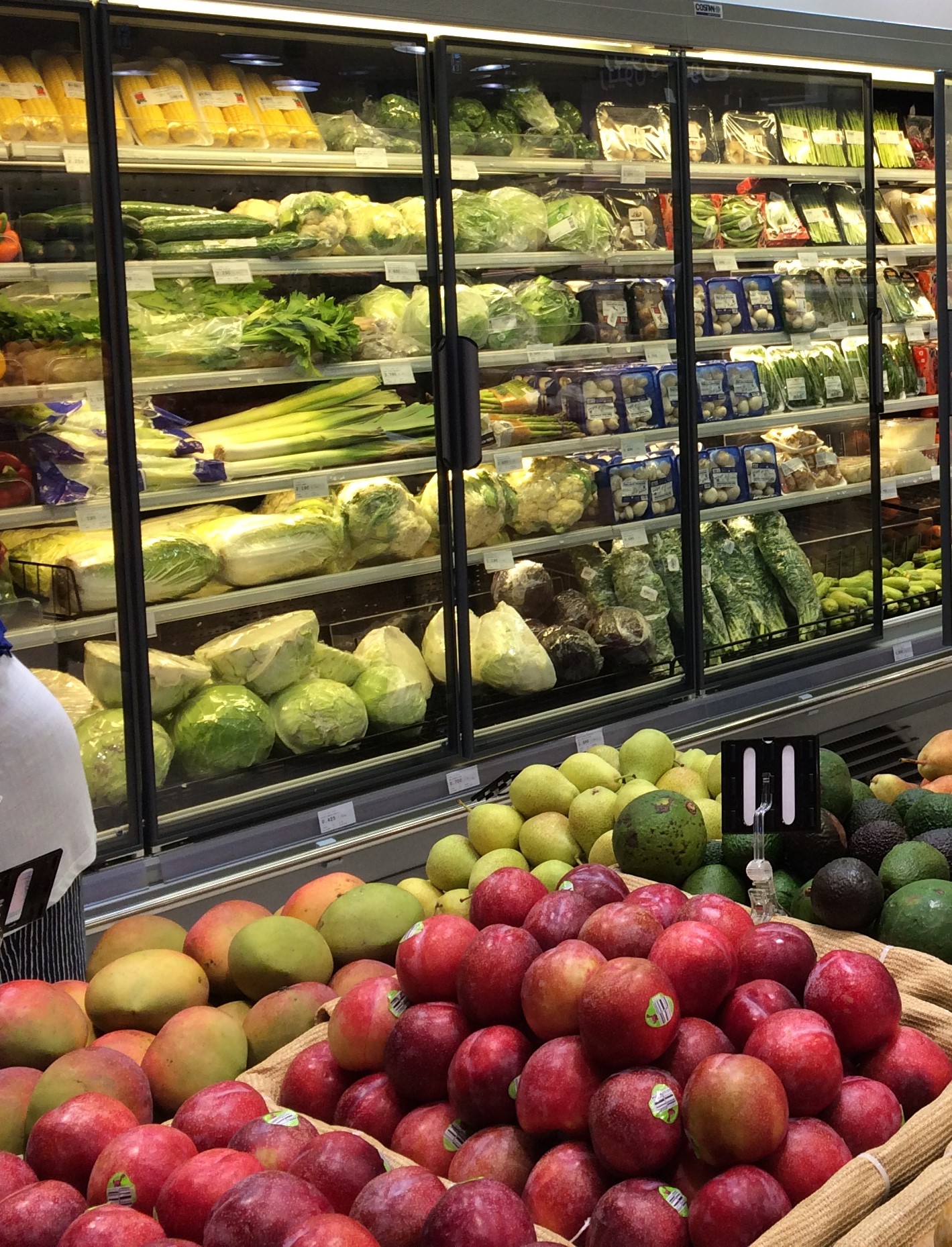
SPAIN + OTHER
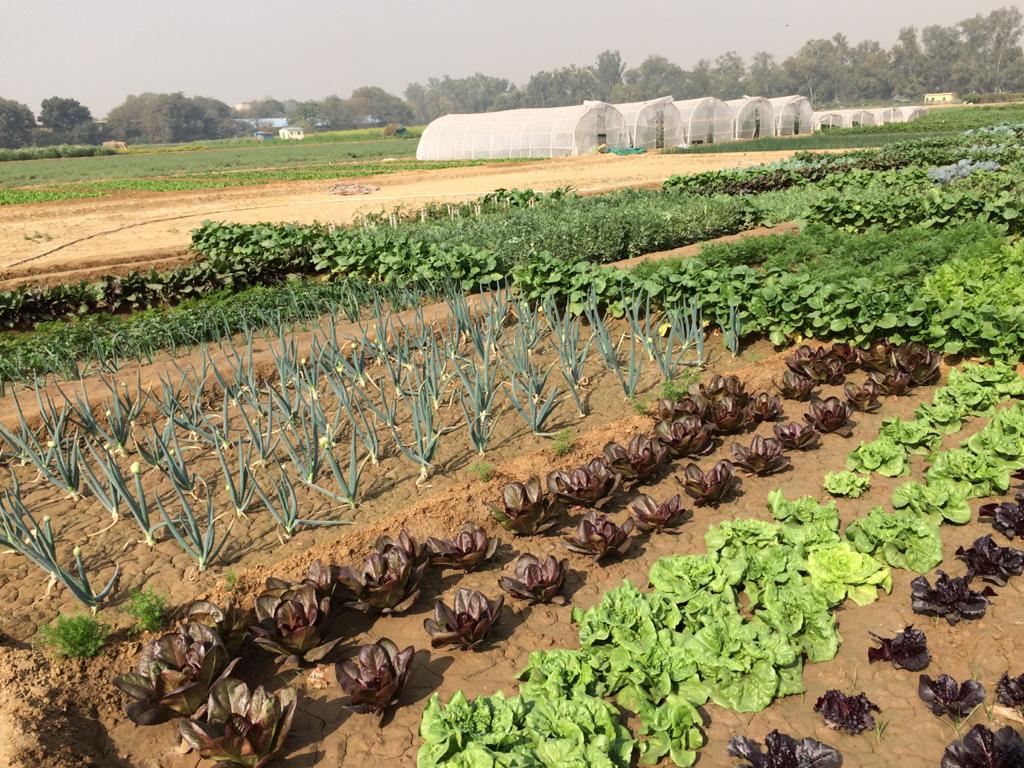
INDIA
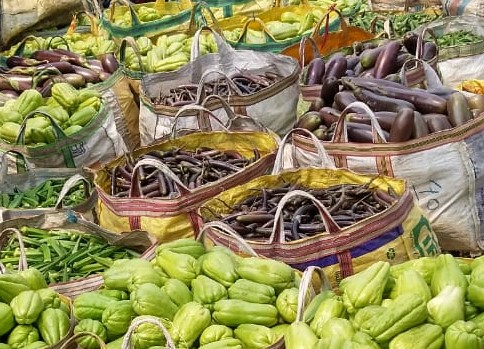
INDIA

Seeb Muscat - GCC
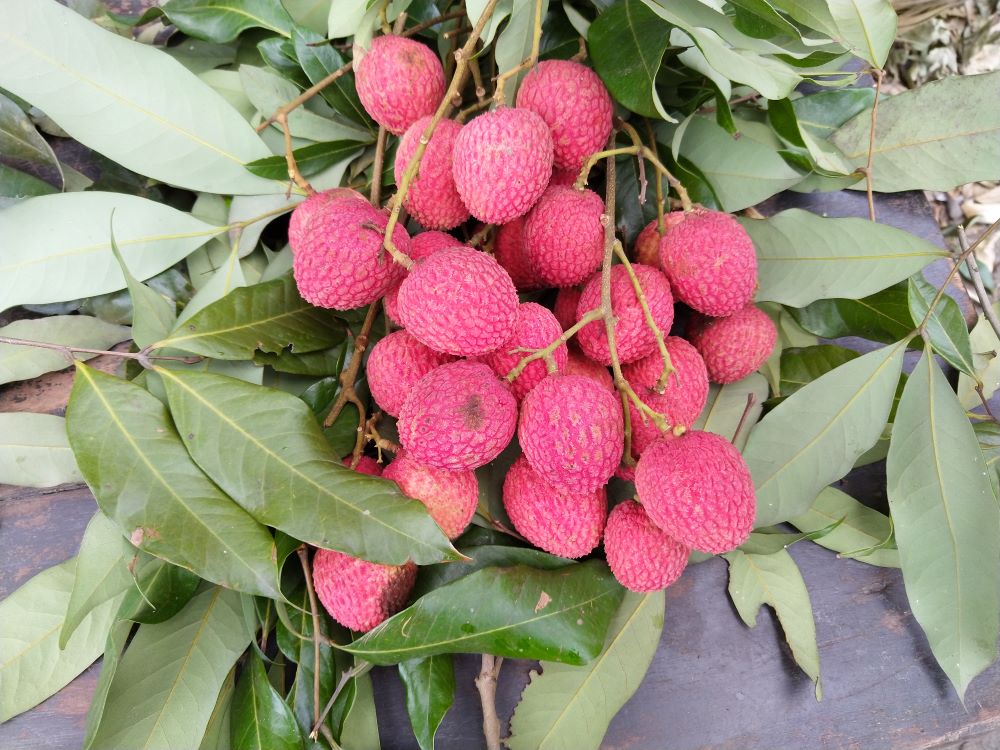
( GI) TEZPUR - ASSAM INDIA

NORWAY

INDIA
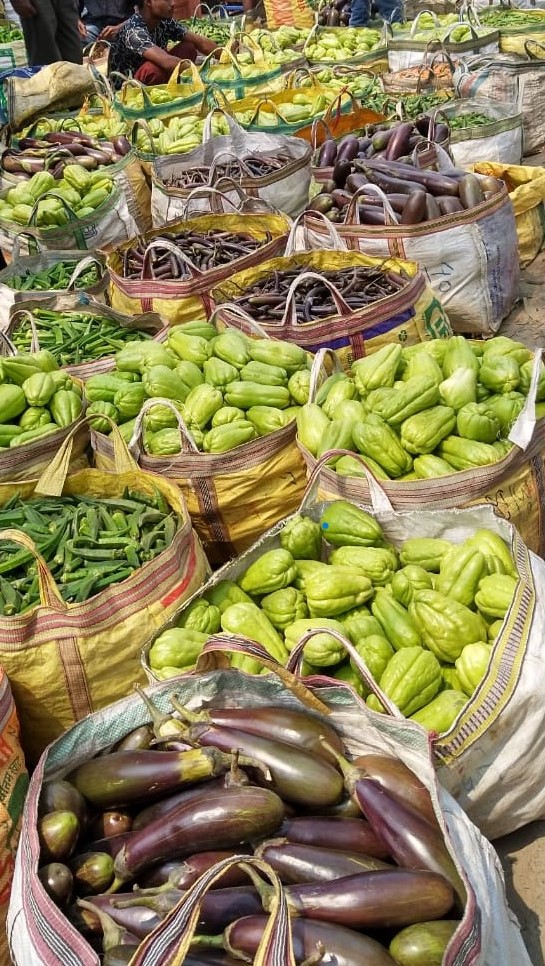
INDIA

NORWAY

INDIA
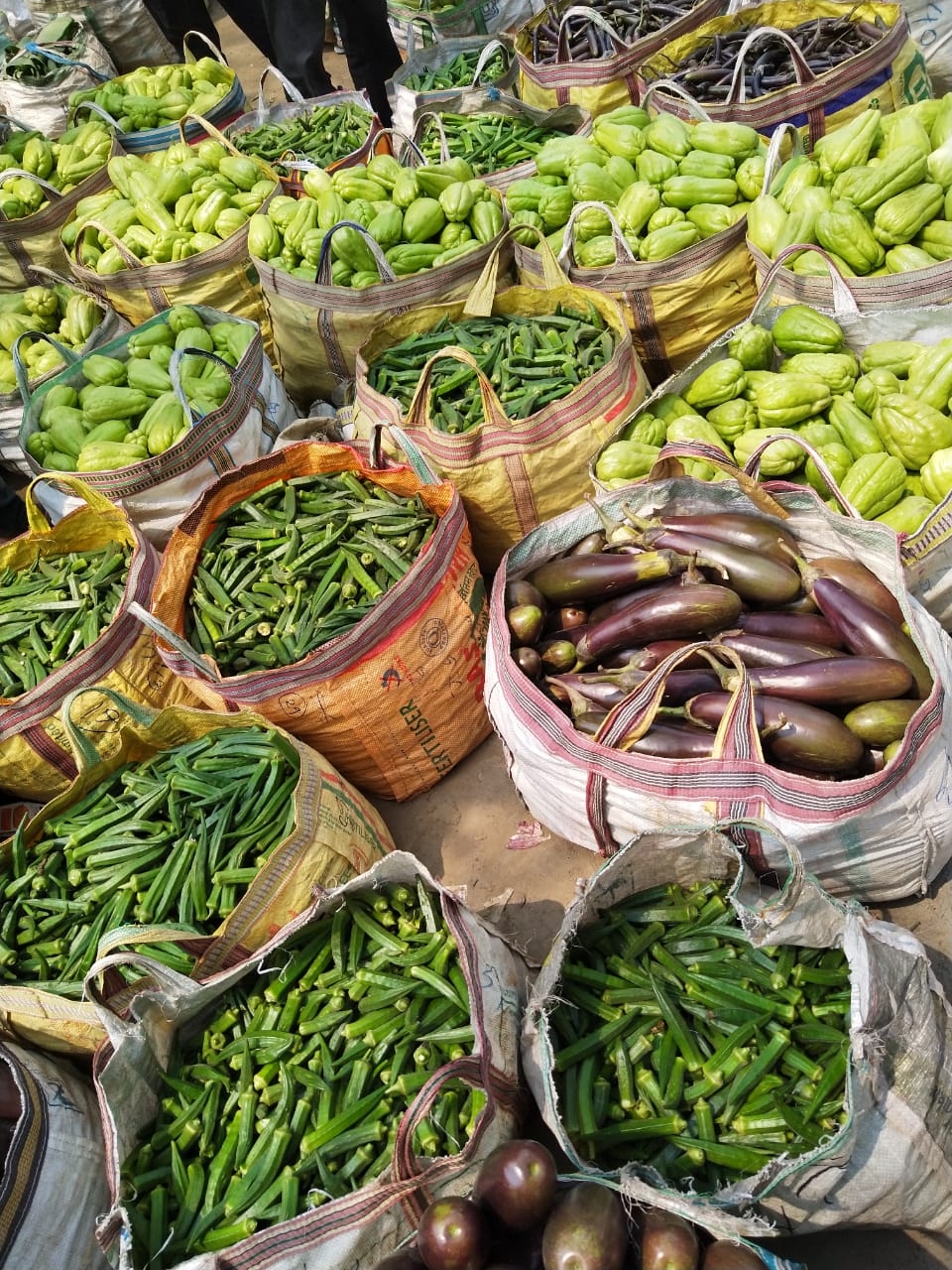
INDIA
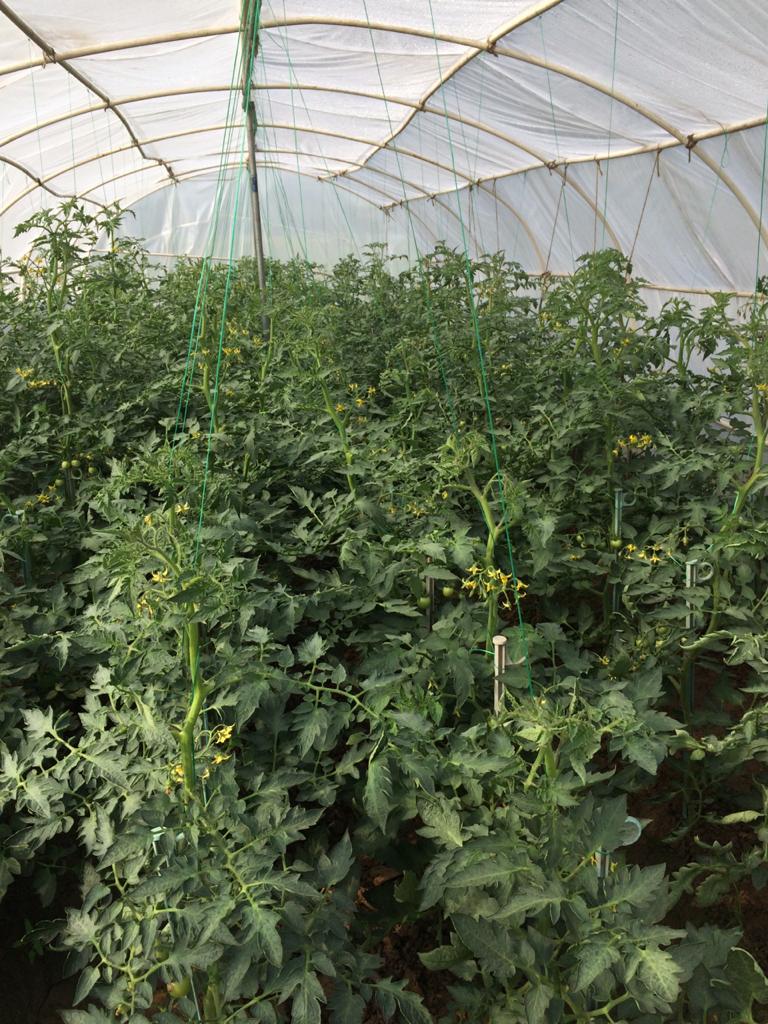
INDIA
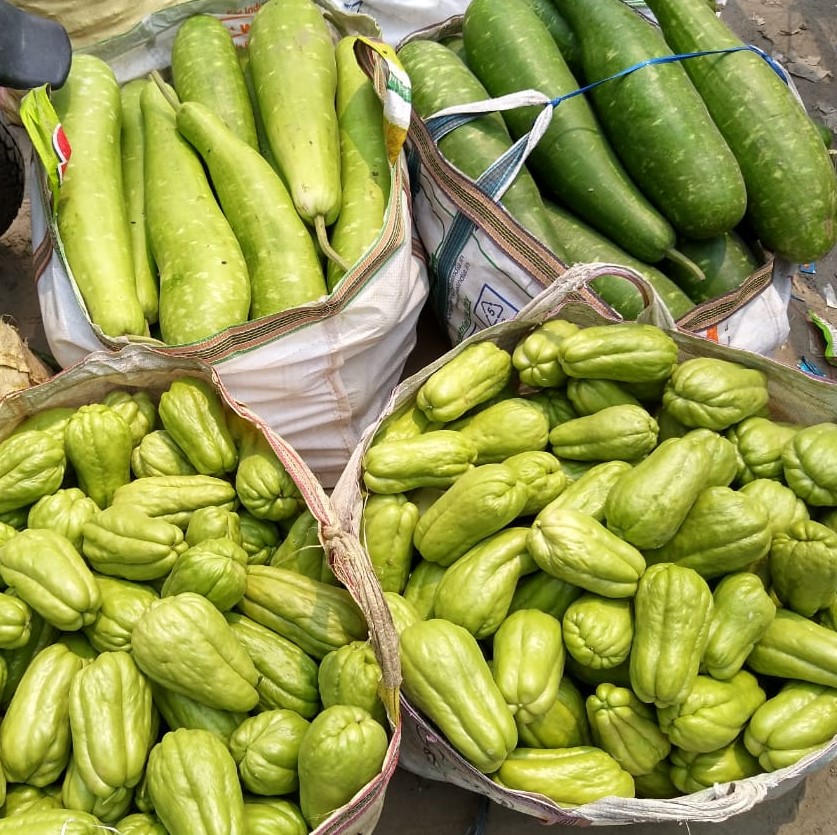
INDIA
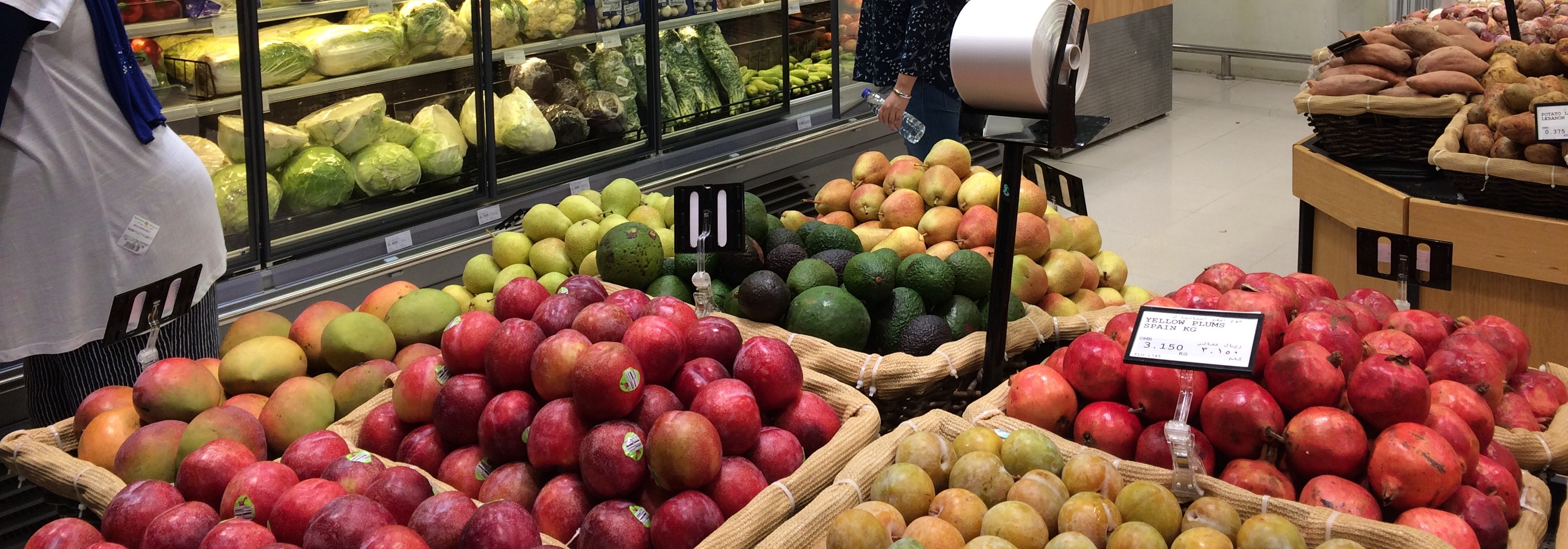
Dubai - GCC
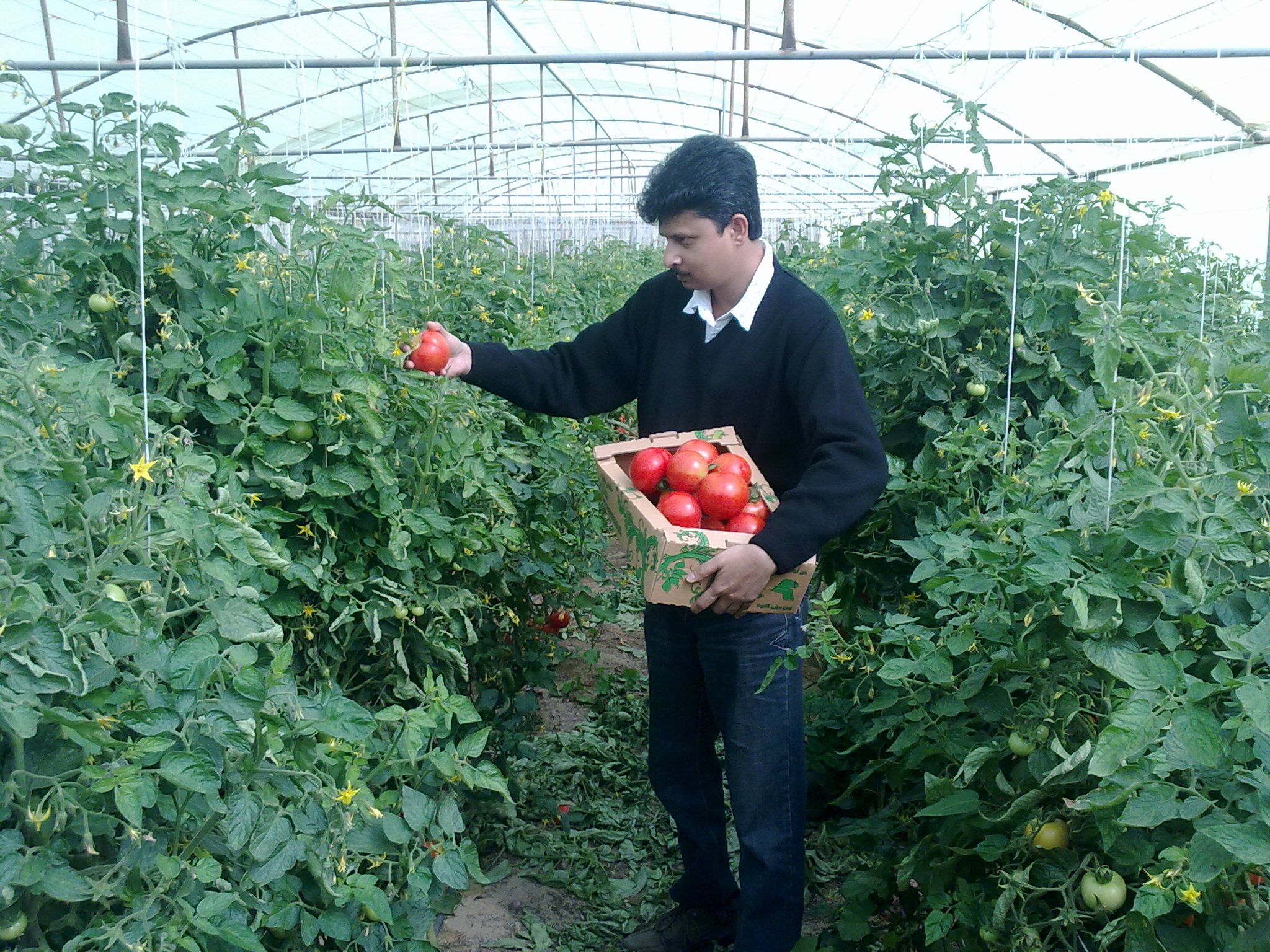
KUWAIT - GCC

OMAN - GCC

USA
1. Broccoli
There are many benefits of eating broccoli, one of the most commonly consumed green vegetables. Broccoli is packed with folate and fibre, which reduces the risk of numerous diseases. This vegetable has been shown to help prevent diabetes, obesity, and heart disease.
2. Spinach
It’s easy enough to incorporate spinach into all dishes you make. The vegetable is most well-known for its folate content. Folate is used by the body to promote red blood cell production and has various pregnancy-based benefits too.
3. Ladyfinger
Ladyfinger contains vitamin K, folate, and iron. These are considered some of the natural nutrients that may help manage anaemia. It may also facilitate the production of haemoglobin, red blood cells and blood clotting. This leads to protection against anaemia.
4. Green Beans
The vegetable is high in vitamin K and contains a decent amount of calcium. These nutrients are important for maintaining healthy and strong bones and reducing the risk of fractures.
5. Peas
This green vegetable is a good source of vitamins C and E and antioxidants that strengthen our immune system. Other nutrients in peas help reduce inflammation and lower the risk of chronic conditions, including diabetes, heart disease, and arthritis.
6. Cabbage
The nutritional content of cabbage offers several health benefits like fighting inflammation, increasing body strength, improving digestion, protecting your heart, lowering blood pressure and cholesterol and maintaining bone health and healthy blood clotting. It is also believed to keep cancer at bay.
7. Cucumber
Cucumbers can help keep you hydrated. Plus, the fibre boost they give helps you stay regular and avoid constipation. Vitamin K helps blood clot and keeps your bones healthy. Vitamin A has many jobs, like helping with vision, the immune system, and reproduction.
8. Lettuce
Lettuce improves bone strength as it is a source of vitamin K. It also helps with hydration as water makes up over 95% of raw lettuce. This vegetable is a source of vitamin A, which plays a role in eye health. It also improves sleep.
9. Mint
Mint is rich in nutrients. It may improve Irritable Bowel Syndrome. It also helps relieve indigestion. It is believed to improve brain function. Mint can subjectively improve cold symptoms. If you have bad breath, consuming mint may mask it. And guess what? One of your favourite dishes, pani puri, has mint as the hero of the dish!
10. Dill
Consuming dill has several health benefits. It regulates diabetes, promotes digestion, fortifies bone health, prevents infections, remedies insomnia, boosts immunity, relieves pain and inflammation and eases respiratory issues.
11. Drumsticks
Drumsticks are very healthy to consume, and all the parts of the plant are edible. Its leaves are high in various vitamins and minerals. The pods, too, are an excellent source of vitamin C. They are an excellent addition to your diet, especially if you are a vegetarian trying to gain muscle. It is a nutritious plant with rich bioactive plant compounds. In addition, drumsticks also contain antioxidants.
12. Spring Onion
It acts as an antioxidant. It might have anticancer potential. Spring onions are anti-microbial. It can lower blood sugar levels and is considered anti-diabetic. It has anti-inflammatory properties. It may also have cholesterol-lowering activity and is believed to be anti-hyperlipidaemic. It is anti-asthmatic and is beneficial for people suffering from asthma.
13. Zucchini
Zucchini is rich in multiple antioxidants and low in calories, fat, and sugar. It is also a wonderful source of Folate, Potassium and Vitamin A.
14. Green Chili
The vegetable is rich in vitamin C and beta-carotene, which are very beneficial for the eyes. The potassium found in it helps in controlling heart rate and blood pressure and prevents the hardening of the arteries. It also has antibacterial properties, which protect the body from infection.
15. Amla
They are highly nutritious. Amla is low in calories and fat yet packed with nutrients. They are also high in fibre and rich in antioxidants. It is believed that they help control blood sugar and also protect your brain. They are believed to have anticancer effects and are good for your heart. Try an amla candy the next time you crave something sweet and sour!
Other Green Vegetables
Wondering how many green vegetables are out there? Well, there are many! Let’s explore the list of some more short and long green vegetable names that you can teach your children.
- Coriander
- Curry Leaves
- Fenugreek
- Kale
- Asparagus
- Leek
- Sweet Basil
- Green Capsicum
- Lamb’s-Quarter
- Ridge Gourd
- Bitter Gourd
- Bottle Gourd
- Pumpkin
- Pointed Gourd
- Calabash
- etc
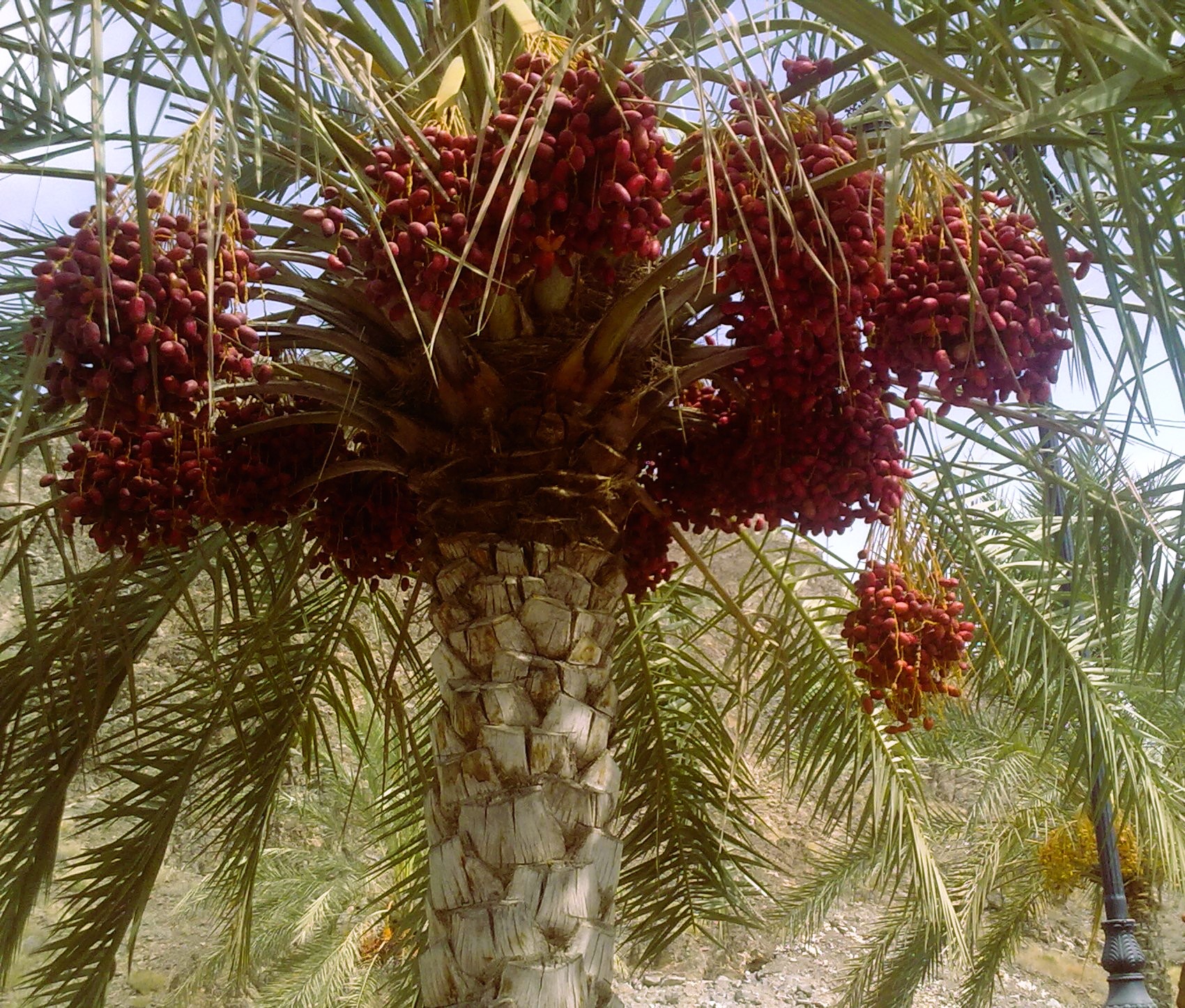
MUSCAT - GCC